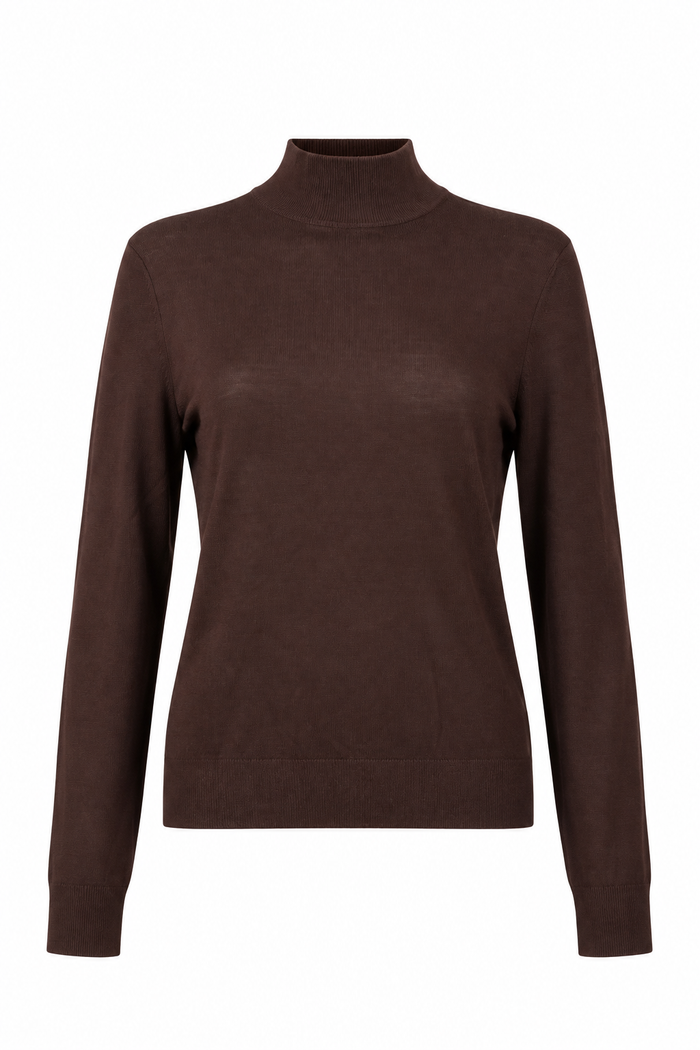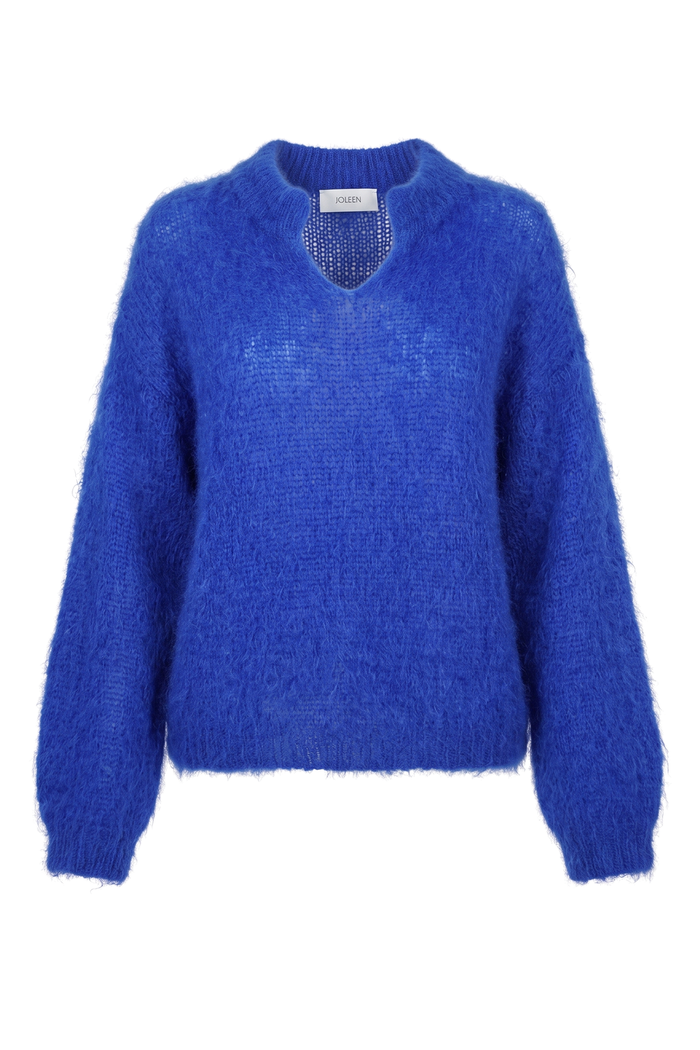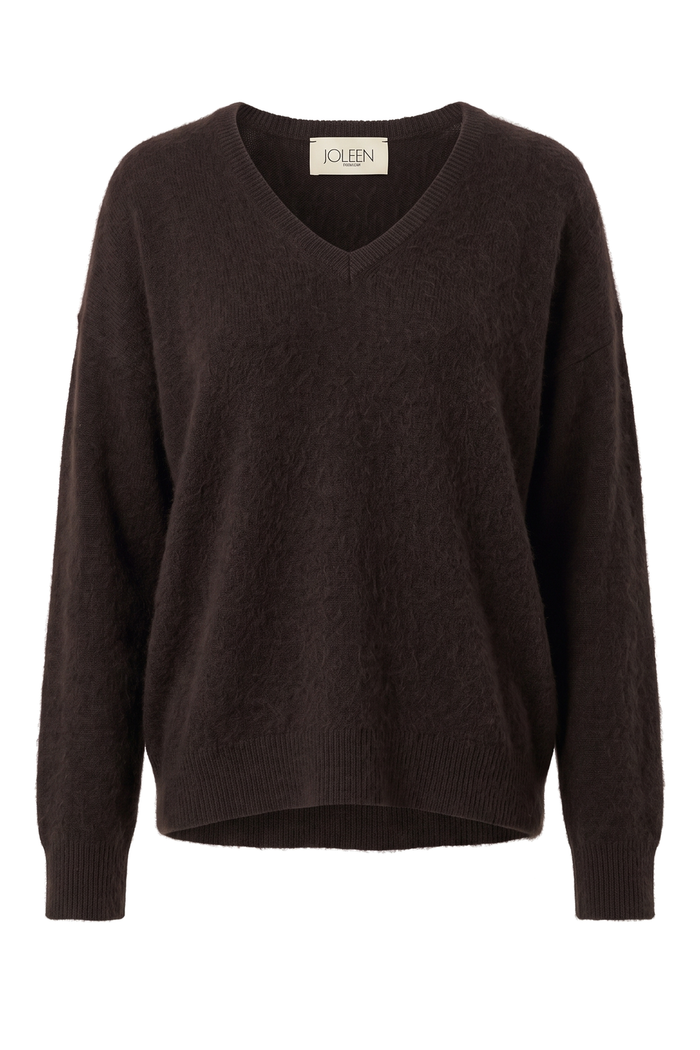
A good jumper should last you years, not a season. And with these 6 tips, you’ll make sure to optimise its chances of doing exactly that.
Wash wool less than you think
Wool is naturally odour-resistant and self-cleaning – within reason, of course, you’re not wearing a full-on cat. After wearing a knit made from natural wool, air it out overnight on a chair or a drying rack instead of throwing it in the wash. For most jumpers, every five or six wears is plenty, unless you’ve spilled your morning coffee or had to run after the bus.
When you do wash it, be gentle
- ALWAYS check the label first: Some knits really are dry-clean only, others can handle a 30°C machine wash setting. Find that out before the first drop of water touches the fabric, not halfway through.
- Hand wash, or use the wool cycle: Most machines have a wool or hand-wash setting that runs at 30°C max. Use that if you don’t want to go the full analogue way, and make sure you grab a detergent that’s specifically made for wool. Normal detergent is too harsh for natural fibres: biological detergents contain enzymes that break down protein, and wool is a protein fibre.
- Turn it inside out: Just like you’d do with jeans or dark fabrics, to protect the surface and colour. Is it 100% necessary with every jumper? Probably not, but better safe than sorry.
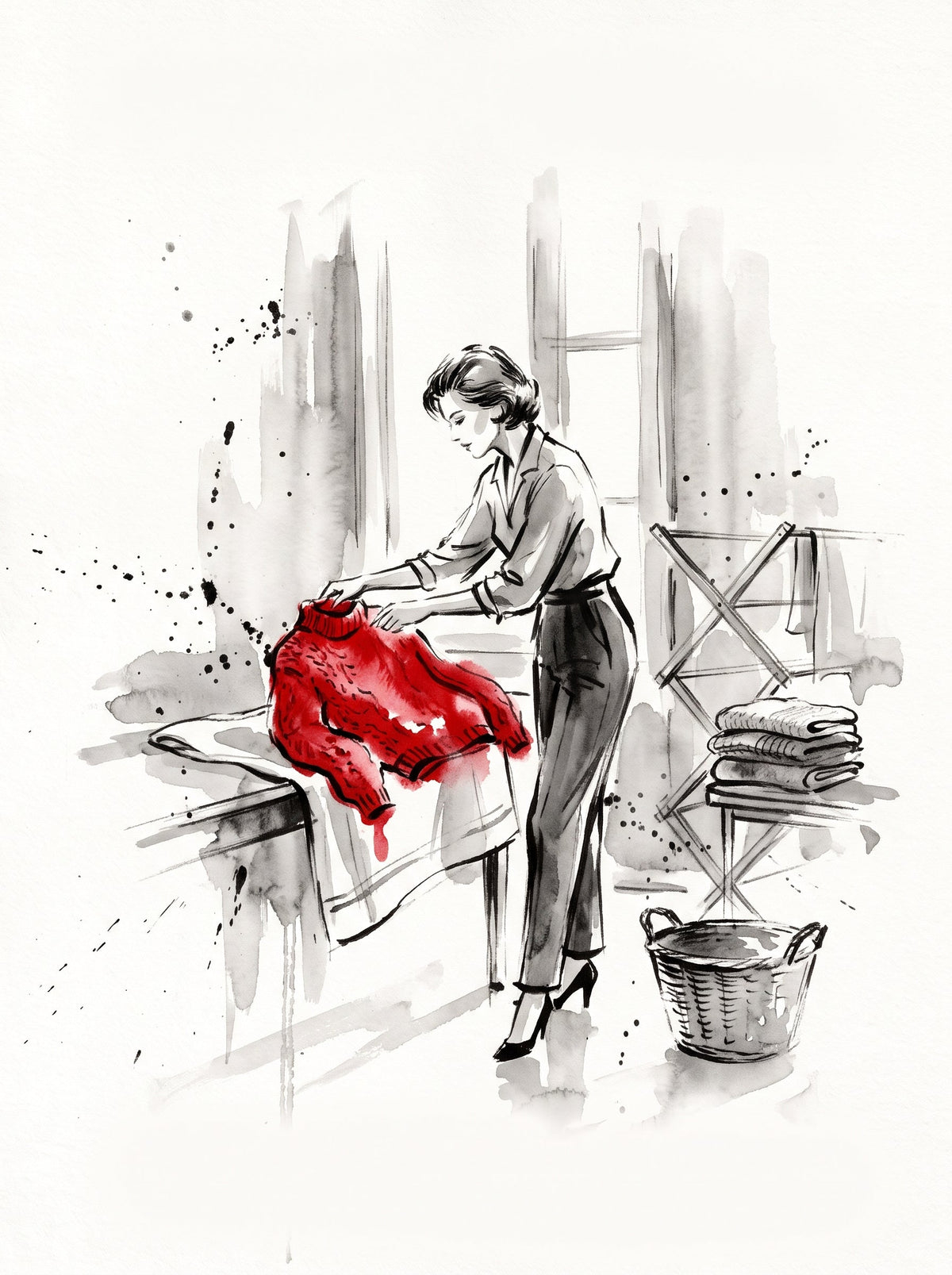
- NEVER wring it: I’ll repeat for good measure: never wring it! That means no twisting, no acrobatic tricks with the wet jumper, and definitely no tumble dryer. Instead, press the water out gently, then roll it up in a dry towel to soak up the rest, before laying it down to dry.
The drying process
If you thought of just hanging your wet jumper with the rest of the items you can’t tumble dry, think again. A wool jumper is very resentful and won’t forgive you for mistreating it while it’s at its weakest.
So here’s what to do: while the jumper is still damp, pull it gently (!!!) into its original shape and lay it somewhere flat to dry. Make sure you keep it away from radiators and direct sun.
Fold, never hang
A wet jumper isn’t the only kind that hates hangers. Gravity stretches the shoulders, leaves those (ugly) pointy hanger bumps and slowly makes the whole piece longer, which is the last thing you want.
Instead, fold your knit and stack it on a shelf or store it in a drawer. And if you’re really short on space and there’s no other way than hanging it, at least fold it over the bar of the hanger instead of hanging it from the shoulders.
Don’t panic about pilling
Breathe! Those little fuzzy balls aren’t proof that you bought a bad jumper. Pilling happens when loose fibres rub together, which mostly happens under your arms, on the sides and wherever your bag strap sits.
This phenomenon is most common in the first few weeks, especially with soft fibres like cashmere and merino, and it usually settles down once the loose fibres are gone.
If it happens, do not – I repeat: DO NOT – pull them off by hand. This will only drag out more fibre and restart the whole cycle. Instead, remove the pills with a fabric shaver or a cashmere comb, with the jumper laid flat and using light strokes. Giving your knit a day off between wears helps too.
Keep moisture and moths out
Moths prefer dirty wool, so before you put your knits away for the warmer months, make sure you wash them and let them dry completely.
It’s very important to avoid plastic when storing them, because natural fibres need to breathe and trapped moisture can cause a whole different set of problems. Instead, store your favourites in breathable cotton bags or a lidded box.
If you want to go the extra mile, add cedar blocks or lavender sachets, and sand the cedar lightly every few months to refresh the scent.
Treat it well and your jumper will still be in your rotation long after the trend cycle has moved on.
Looking for one worth the effort? Our knitwear is right this way.